
Why VPNs Don't Work in China Anymore: The Rise of Active Probing
If you lived in China around 2015, you remember the "Golden Age." You could download almost any free VPN app, click "Connect," and watch YouTube. Those days are dead.
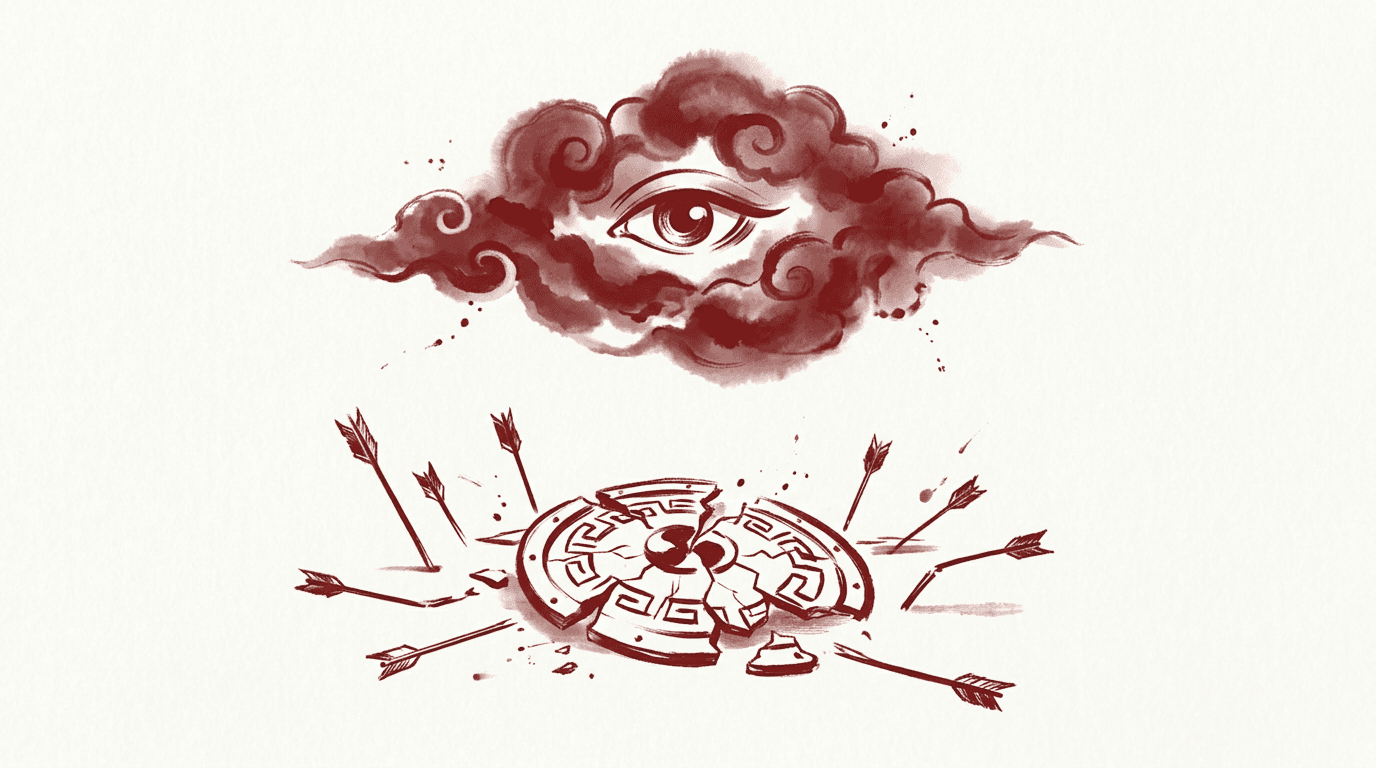
Today, users face a constant cat-and-mouse game. You buy a 12-month subscription to a top-rated VPN, it works for three days, and then—nothing. Connection timed out.
Your internet isn't broken, and the VPN server isn't down. You are being actively targeted by the most sophisticated censorship machine in human history: the Great Firewall (GFW). And it has learned how to hunt.
Mechanism 1: Deep Packet Inspection (The Fingerprint)
Every VPN protocol has a "handshake"—the initial conversation between your device and the server to set up encryption. OpenVPN, WireGuard, and IPsec all have distinct, recognizable handshakes.
Imagine you are trying to smuggle a letter. A standard VPN puts the letter in a steel box. The GFW can't read the letter, but it sees the steel box. It knows exactly what a steel box looks like. It doesn't need to know what's inside; the box itself is contraband.
The moment the GFW identifies the "fingerprint" of a VPN handshake, it drops the connection. This happens in milliseconds.
Mechanism 2: Active Probing (The Hunter)
This is where things get terrifyingly smart. Let's say you use a new, obscure protocol that the GFW doesn't immediately recognize. It sees encrypted traffic going to an unknown server. It's suspicious, but not sure.
Enter Active Probing. The GFW doesn't just watch; it participates. When it sees your connection, it sends its own connection request to that same server, pretending to be a user.
- If the server responds like a VPN: "Hello! Please send your credentials." — The server is instantly blacklisted.
- If the server responds like a web server: "404 Not Found" or a standard website. — The GFW moves on.
This is why your custom Shadowsocks server works for a week and then suddenly gets blocked forever. The GFW found it, probed it, confirmed it was a proxy, and killed it.
Mechanism 3: The "Throttle" (The Chokehold)
Sometimes, the GFW doesn't block you outright. Instead, it makes your life miserable. If the GFW sees unrecognized encrypted traffic that it suspects is a VPN, it applies QoS Throttling.
Your connection stays "alive," but your speed drops to 5kbps. Google takes 4 minutes to load. You think it's your ISP. It's not. It's the GFW choking your connection to make you give up.
The Solution: Camouflage, Not Just Encryption
To survive in 2026, you cannot just encrypt your data. You must disguise it.
This is the core philosophy behind Overwall. We use advanced protocols (like VLESS-Reality) that are designed to look exactly like standard, boring HTTPS traffic.
- Anti-DPI: Our handshake looks like a normal browser visiting a normal website. There is no "VPN fingerprint."
- Anti-Probing: If the GFW probes our servers, they respond like legitimate websites (e.g., a Samsung landing page). The GFW sees nothing suspicious.
We don't look like a steel box. We look like a regular envelope in a sea of millions of other envelopes.
Conclusion
The era of "download and go" VPNs is over. The Great Firewall is an active, learning adversary that punishes outdated technology. Stop fighting it with 2010 tools. You need camouflage.
Compare all providers that still work in our Best VPN for China 2026 guide — with real speed data from inside China.
Ready for the modern standard? Get Overwall